
Exterior Wall Insulation Systems: A Key Strategy for Energy-Efficient Buildings
How Modern Facade Systems Improve Building Performance
Energy consumption remains one of the biggest challenges in modern construction. Studies show that a significant portion of building energy loss occurs through poorly insulated exterior walls.
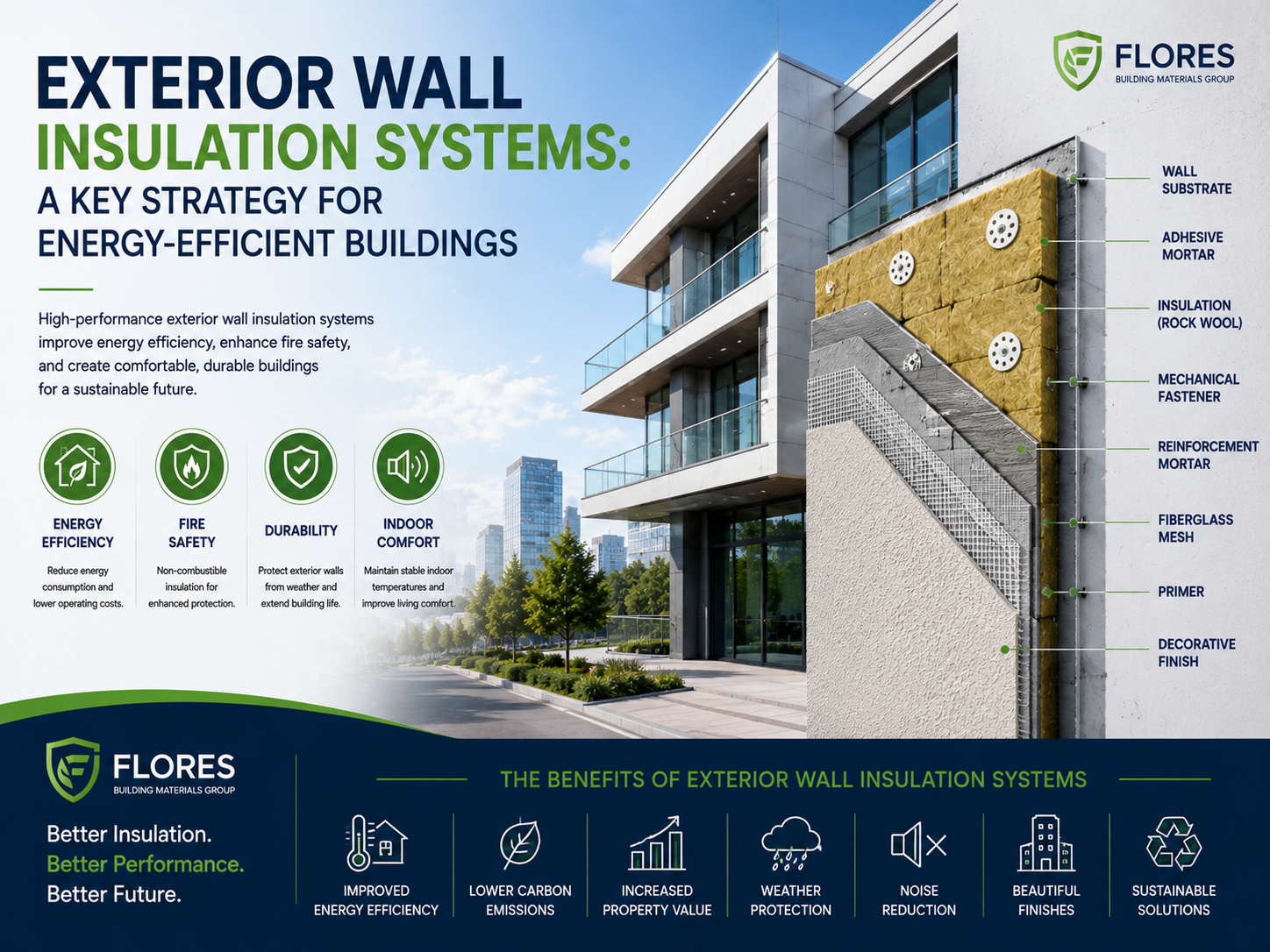
Exterior Wall Insulation Systems (EWIS) are designed to improve thermal performance while enhancing the appearance and durability of buildings.
What Is an Exterior Wall Insulation System?
An exterior wall insulation system typically consists of:
· Insulation layer
· Protective reinforcement layer
· Decorative facade finish
· Waterproof protection system
Together, these components create a highly efficient building envelope.
Key Benefits
Improved Energy Efficiency
Proper insulation reduces heat transfer and helps lower HVAC operating costs.
Enhanced Fire Safety
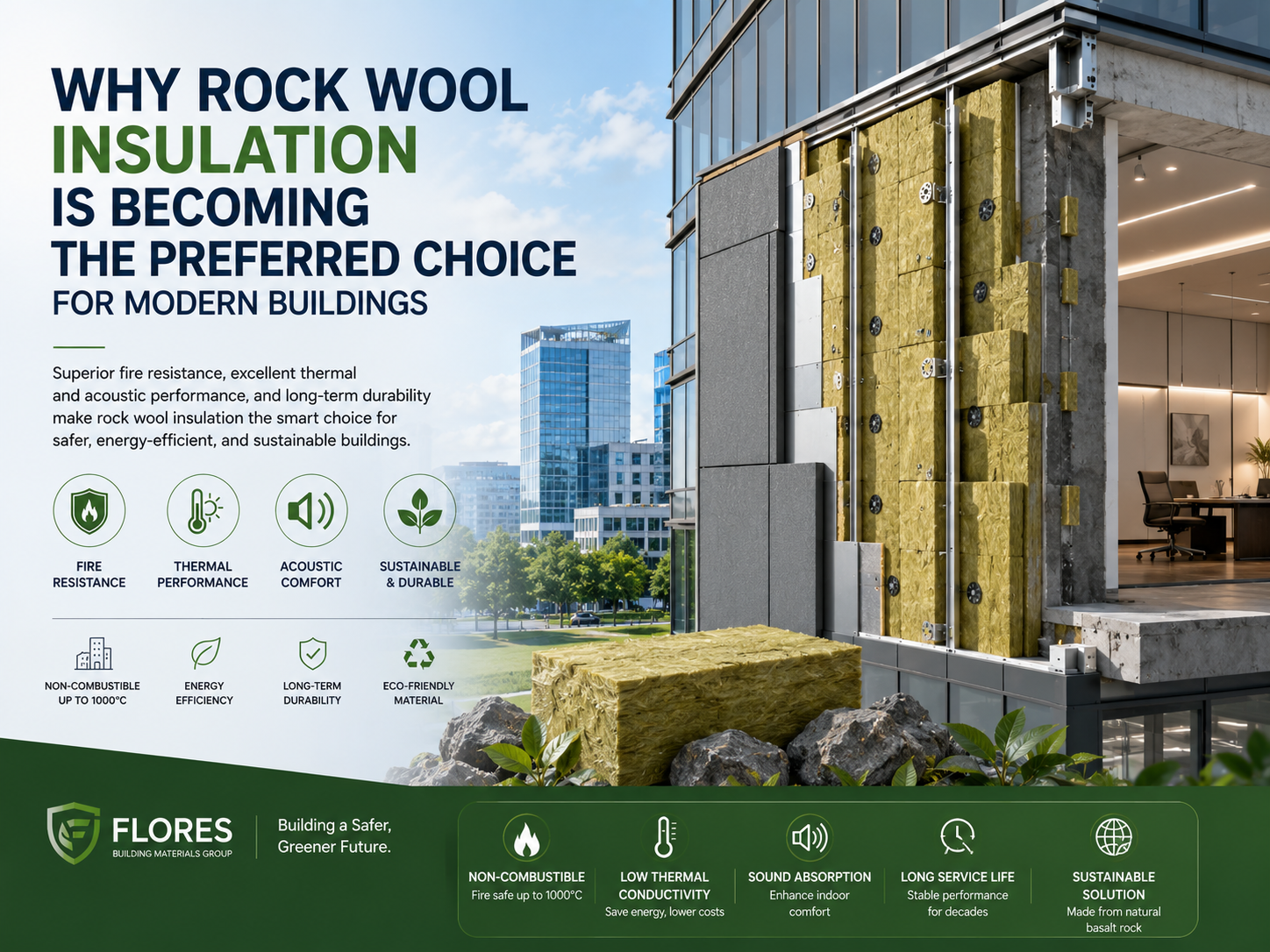
Using non-combustible materials such as rock wool insulation significantly improves fire protection performance.
Increased Building Lifespan
Exterior insulation protects structural walls from weather exposure and thermal stress.
Better Indoor Comfort
Occupants benefit from more stable indoor temperatures and improved living conditions.
Growing Demand Worldwide
Countries throughout Southeast Asia, Central Asia, and South America are increasingly adopting energy-efficient construction standards, creating growing demand for high-performance exterior wall insulation systems.
Conclusion
For developers, architects, and contractors seeking long-term building performance, exterior wall insulation systems represent one of the most effective investments in sustainable construction.
Send Us A Message